5 Common Causes of Vertigo with 1 Common Solution to Stop the Spinning
Kilian Chiropractic • June 23, 2019
What are the Most Common Causes of Vertigo?
Vertigo is not a diagnosis on its own. Instead, it is a symptom of other health conditions, diseases, and disorders that are usually caused by issues with the parts of the inner ear and brain that help regulate your body’s ability to maintain its sense of balance. Five vertigo-causing conditions that are more common than others:
Meniere’s Disease
Sometimes referred to as endolymphatic hydrops, Meniere’s disease is known for causing recurring attacks of very severe, disabling vertigo. Other symptoms that are characteristic of Meniere’s are tinnitus, the sensation of fullness in the ear, and fluctuating levels of hearing loss. Your inner ear normally contains fluid that aids in sending signals to the brain about how your head is positioned, helping your body to maintain its balance. However, in those with Meniere’s disease, excess fluid collects and, as a result, causes sudden and unprovoked bouts of vertigo.
BPPV (benign paroxysmal positional vertigo)
Though its name can sound complicated and intimidating, benign paroxysmal positional vertigo, or BPPV, is a common disorder that occurs with changes in head position. People will often have their first BPPV episode turning over in bed or tilting the head backward like you would do to reach for something on a high shelf. Part of your inner ear contains calcium crystals called otoconia that usually stay embedded. In BPPV, these crystals break free and migrate into another part of the inner ear where they disturb normal fluid movement. This sends confusing messages to be the brain, resulting in brief but intense vertigo attacks.
Vestibular migraine
Unlike a traditional migraine, vestibular migraines do not always come with the headache that migraines are infamous for. A vestibular migraine is a problem within the central nervous system that causes repeated episodes of vertigo and dizziness in people who have a history of other migraine symptoms. Vestibular migraines cause ongoing dizziness, balance problems, disorientation, unsteadiness, and an increase in sensitivity to movement and sound. About 40% of migraine patients experience vertigo, dizziness, or other disruption in balance.
Labyrinthitis
The labyrinth is the bony area that houses the inner ear, which contains the organs responsible for hearing and balance. Bacteria can enter the inner ear and cause infection and inflammation of the labyrinth, causing labyrinthitis. Symptoms include severe vertigo, nystagmus (abnormal, jerking eye movements that happen in conjunction with vertigo), tinnitus (ringing in the ear), nausea, vomiting, and loss of hearing.
Vestibular neuronitis
The vestibular nerve is a branch of the 8 th cranial nerve, or the vestibulocochlear nerve. The vestibular branch of this nerve helps to control balance by conducting signals between the inner ear and brain. Usually, due to a virus, the nerve can become inflamed and cause vertigo and all of its associated symptoms.
Vertigo and Your Neck: A Relationship that Can’t be Ignored
A common thread that ties together some of the most common causes of vertigo is a history of head or neck injury. You might be surprised to learn that even an injury perceived as very mild, such as a parking lot fender bender or fall off a bicycle, can be enough to put in motion a chain reaction of events that can lead to vertigo. The other factor is that many months, and in many cases years, can pass by between the incident and the first episode vertigo, making it easy to fail to associate the two.
The key to the vertigo-neck connection lies in the vertebra that forms the junction between the head and neck. Your atlas (C1) vertebra protects the brainstem as it exits from an opening in the base of your skull and forms the spinal cord beneath. This part of your central nervous system acts as a switchboard for signals traveling between the brain and body to keep its many functions optimally coordinated. An atlas misalignment caused by an injury or wear and tear that accumulates over time can interfere with normal balance signals and ultimately result in one of the common vertigo-causing diseases.
Vertigo Relief Specialist Near Aldergrove Offers Hope and a Natural Solution
It can be easy to lose hope when you’ve suffered from repeated episodes of vertigo, especially given the anxiety you may experience not knowing when the next attack might occur. Because of this feeling, many vertigo sufferers are seeking out
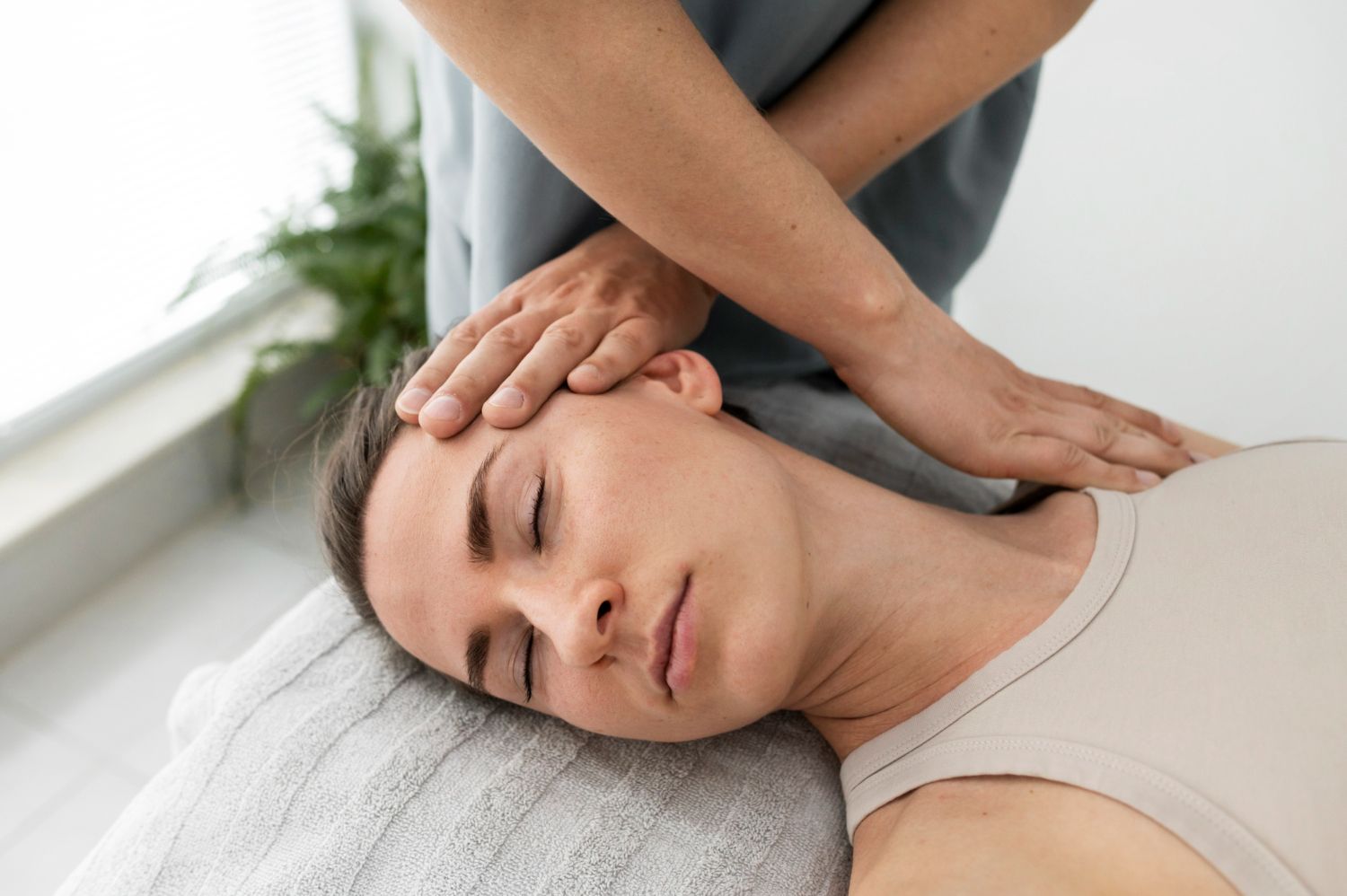
upper cervical chiropractic care
, and more research is becoming available that supports having the upper neck checked for an atlas misalignment as a contributing factor in vertigo. Kilian Chiropractic is the go-to clinic for vertigo in Aldergrove, BC because we specialize in giving the most precise care available to address the complex misalignments that can happen at the junction between the head and neck. Adjustments to realign the atlas are incredibly gentle, and many patients report that their vertigo symptoms noticeably improve after starting care with us. We are happy to explain more about our unique approach to care. Simply schedule a free consultation with Dr. Kilian to take your first step towards a better quality of life.
References:
The post 5 Common Causes of Vertigo with 1 Common Solution to Stop the Spinning appeared first on Kilian Upper Cervical Chiropractor.
Share This Blog