Explained: Muscle Soreness After a Workout
Kilian Chiropractic • March 8, 2021
No matter how frequently you exercise, you’re almost always met with muscle soreness a day or two after a workout that pushes your limits.
The soreness, stiffness and inflammation experienced from exercise are a healthy part of building strength and endurance. In the medical community, this is referred to as delayed onset muscle soreness (DOMS).
In this article, we’ll cover what causes the DOMS, how long it should last and some practical ways you can deal with the discomfort of DOMS, so you can get back to training sooner.
What Makes Your Muscles Sore After Exercise?
Delayed onset muscle soreness is not the same as a sprain or strain.
When we stress our muscles harder than usual, we cause microscopic tears to our muscle fibres. The body begins to repair the tears, resulting in inflammation and causing the typical soreness and stiffness after a workout.
During the recovery process, the body builds back the muscle fibres stronger to better adapt to the level of exertion you need your muscles for.
Over time, repeating the same activities will produce less DOMS as the muscles learn to become more resilient to the workload. The more you push yourself and use the muscles in different ways, the more you can expect to feel the effects of DOMS.
DOMS is a healthy part of training. Though the pain experienced can feel anywhere from mild to severe. The downtime it takes to recover can make it difficult to return to the gym with the same intensity or make daily life extremely uncomfortable.
How Long Does DOMS Last?
Although it can be extremely uncomfortable, DOMS is not inherently dangerous.
Depending on your exercise’s intensity, delayed onset muscle soreness lasts anywhere from 2–5 days. It will go away on its own if you take the time to recover and your muscles will feel stronger than they did before.
How To Deal With DOMS
DOMS can happen to anyone — even high-level athletes aren’t immune to muscle soreness. It’s a sign that you’re working your muscles to the point where they need to rebuild to adapt to your intensity.
If you find yourself extremely sore to the point of limited range of motion or if you can’t wait the 2–5 days to get back into the gym for a strict exercise regimen, there are things you can do to improve your comfort. These include:
Rest – The best source of action when dealing with DOMS is to recover. It’s the simplest form of treatment — and it’s necessary to prevent injury.
Slowly increase intensity – If you’re experiencing particularly rough DOMS symptoms regularly, it’s likely a sign you’re pushing yourself too far over the edge of your limits. It’s always a good idea to build up and vary your workouts’ intensity, to avoid injury and mitigate the severity of DOMS.
Use a foam roller – It’s a good idea to spend an extra 10–15 minutes cooling down from your workout and rolling out your worked muscles on a foam roller to massage the muscles.
Massage therapy
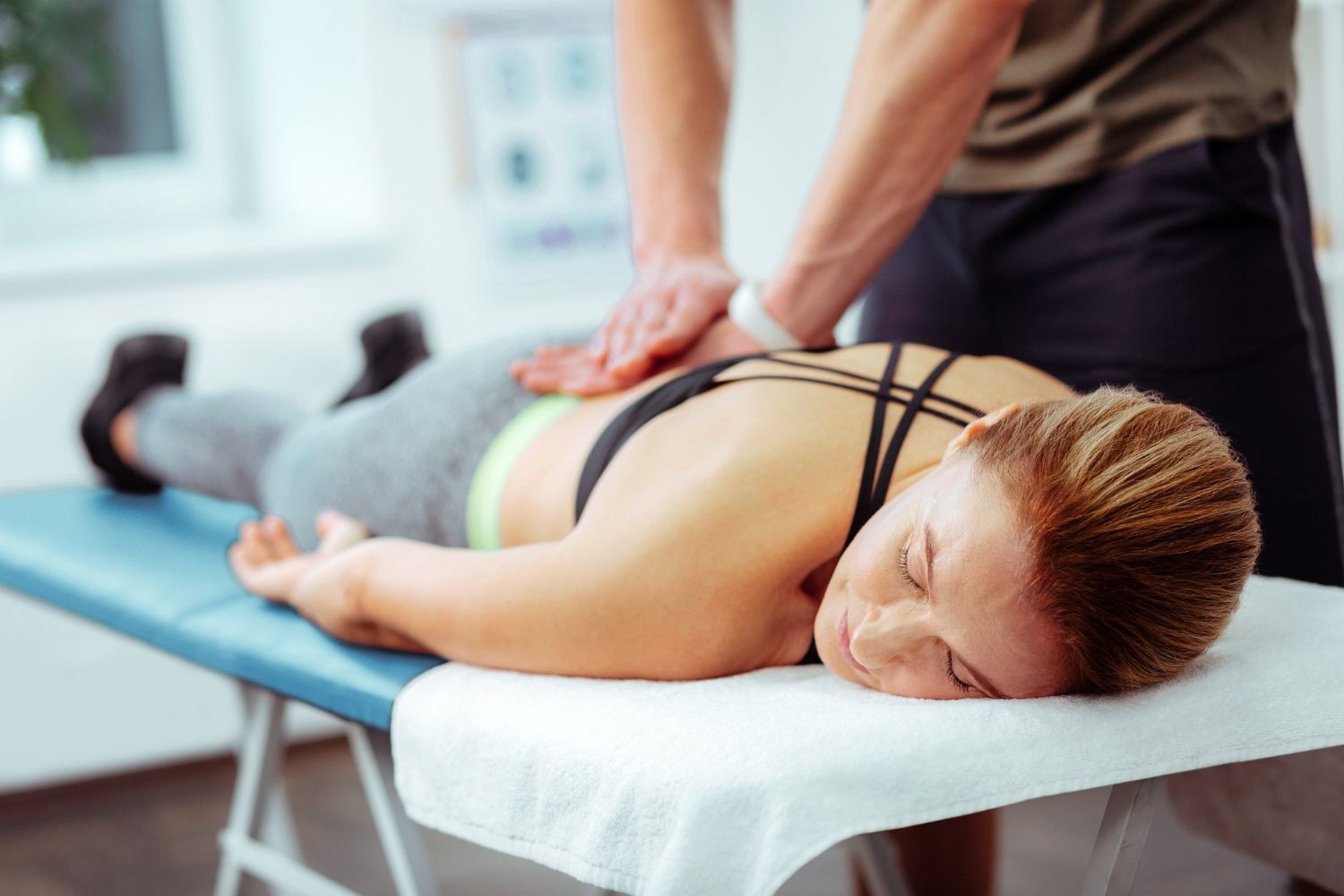
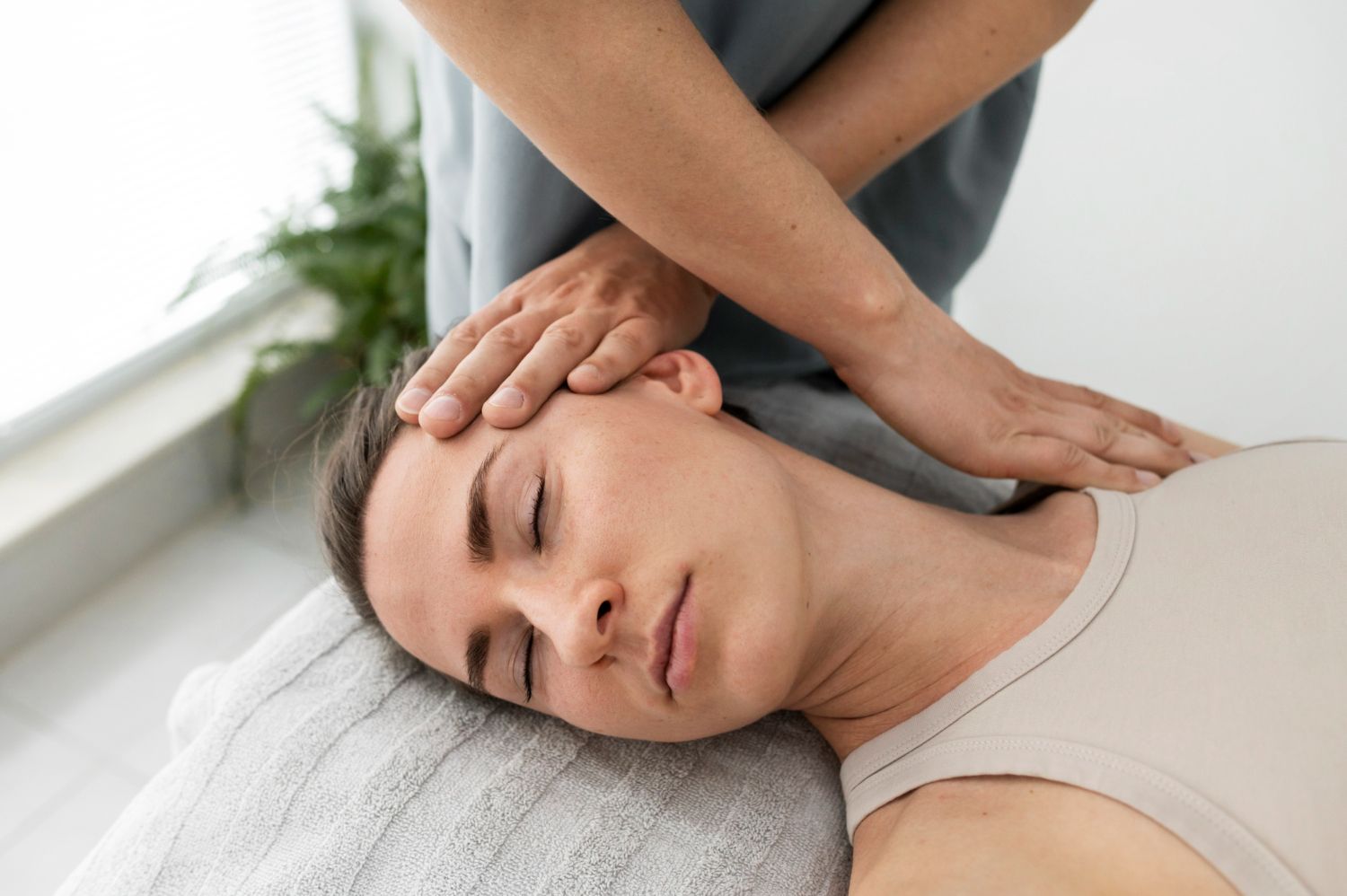
– Physically manipulating the muscles helps reduce inflammation and forces a fresh blood circulation supply into the area to speed the recovery. Your therapist can apply the right amount of pressure and precision to target deep into the muscle tissues and stimulate the body’s natural recovery process. Massage therapy also helps decrease the pain, allowing you to get back to your everyday activities more comfortably or hit the gym again much sooner.
Physiotherapy For DOMS
DOMS is a natural part of the body’s recovery process to rebuild muscle tissue.
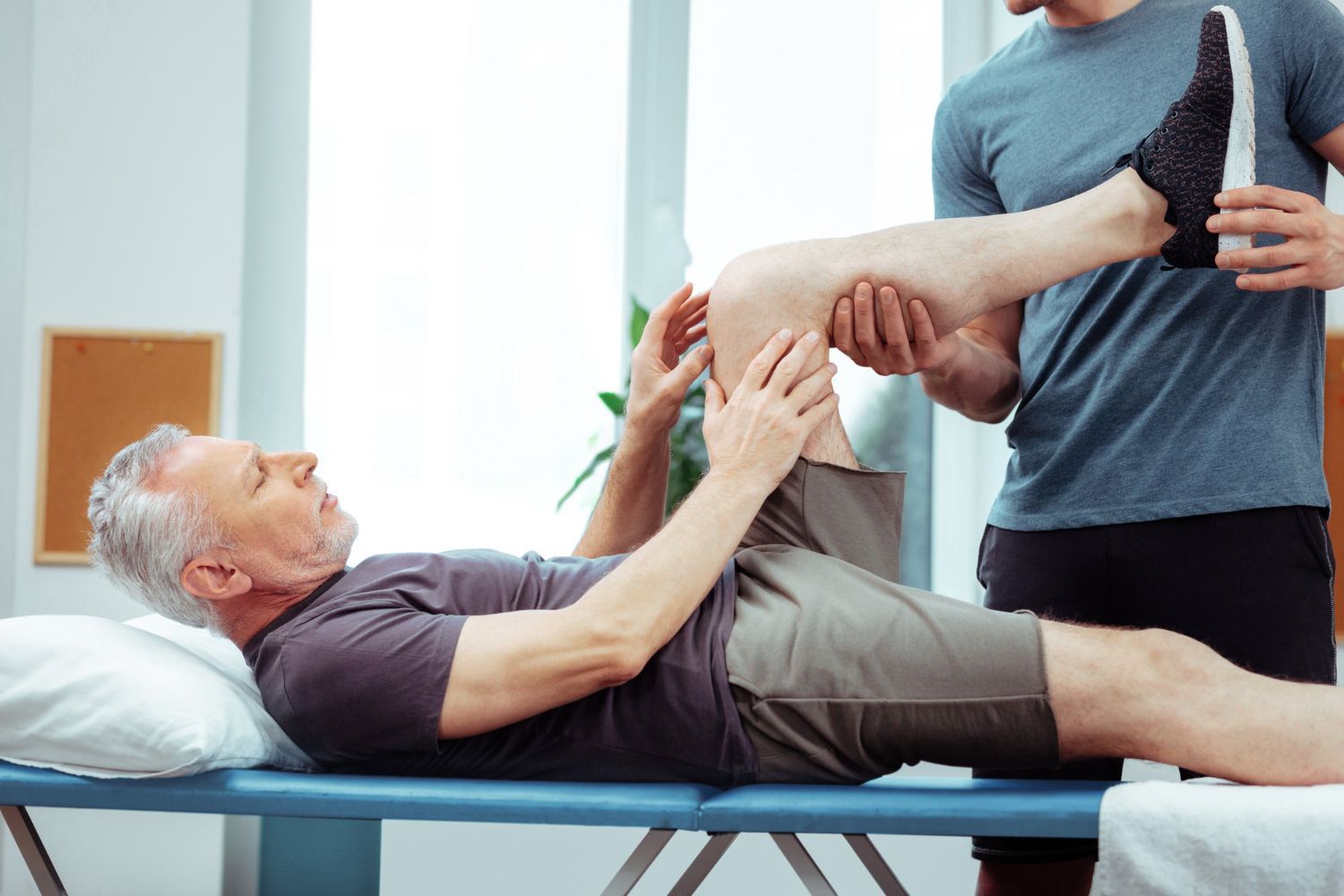
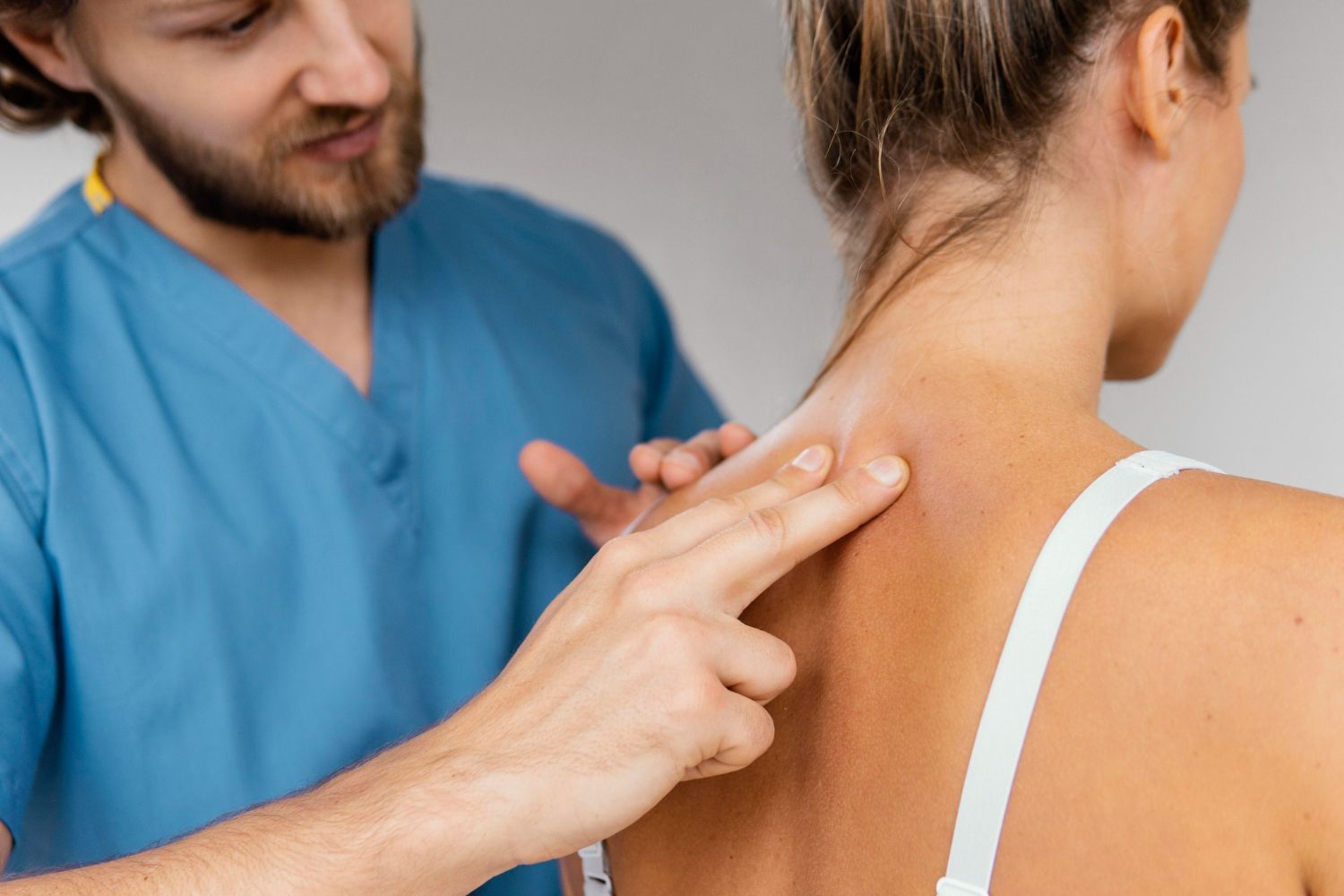
Whether you’re an experienced athlete or just starting to get into a regular exercise routine, your physiotherapist can help you relieve uncomfortable DOMS symptoms.
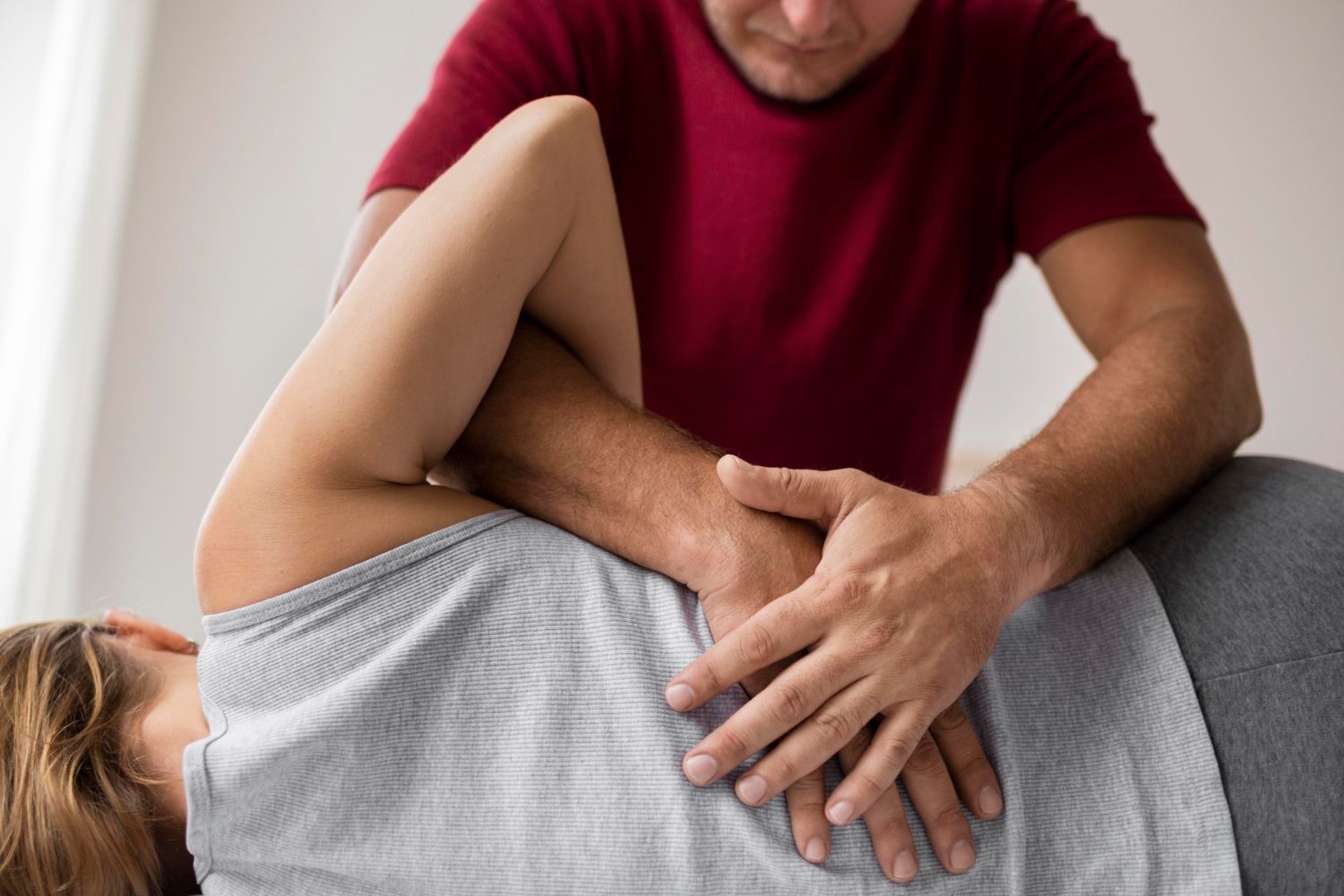
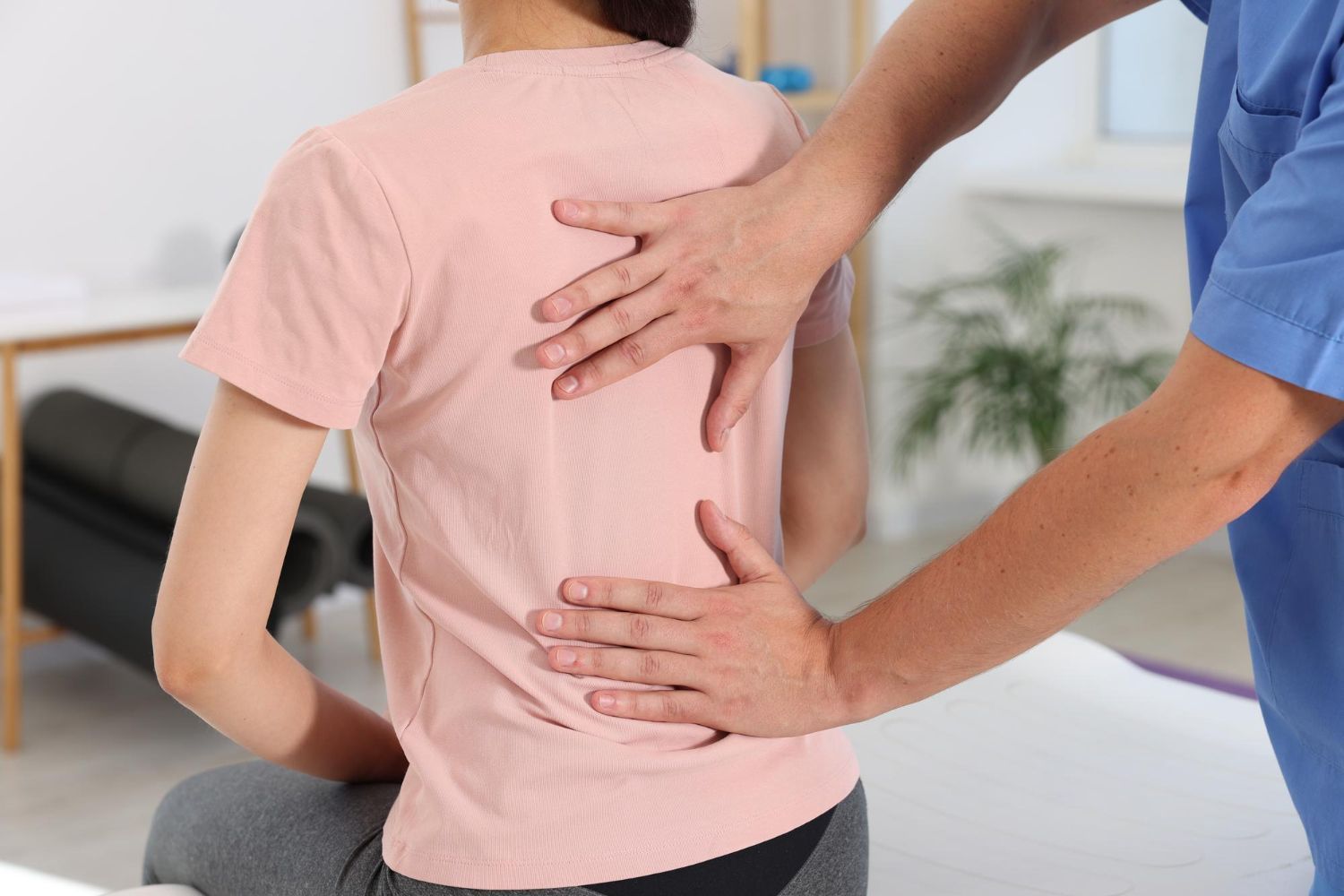
Your physiotherapist will work with you to understand your lifestyle and fitness goals and help you create a personalized treatment plan. It can include anything from prescribed exercises to improve your strength and flexibility, sports massage and other myofascial release techniques to facilitate the body’s natural recovery processes.
At Kilian Chiropractic,
our trusted physiotherapy team
can help you with your muscle recovery and preventing injury during your training. To learn more about how we can help, call us at
604-688-0724
or
book online
to get started today.
Share This Blog