Migraine Relief to Try When All Else Fails
Kilian Chiropractic • September 22, 2019
Migraine Overview
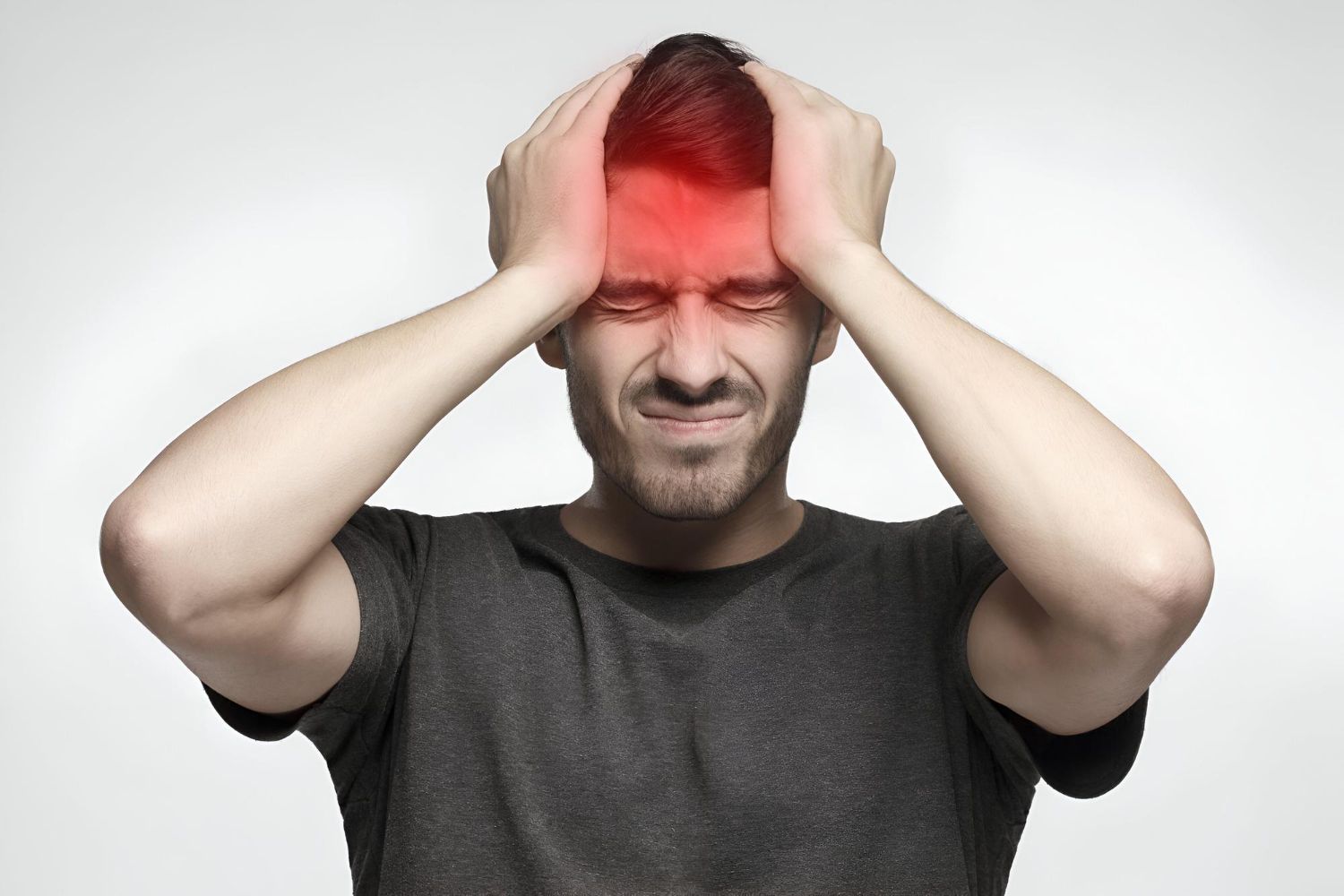
Migraines are a neurological disorder that causes a severe throbbing headache. The head pain commonly starts in the forehead, one side of the head, or surrounding the eyes. Migraine attacks progress through different phases and can worsen over time.
Migraine patients tend to be overly sensitive to loud noises, bright lights, strong smells, and any movement as these things can make the headache worse. Nausea and vomiting can also accompany a migraine headache. However, migraines can be a unique experience for everyone because they vary in frequency and severity for each individual. Migraine episodes may happen every day, or once or twice a year.
The Most Common Types of Migraines
These are two of the most common types of migraines:
Classic migraines
An aura is present in classic migraines. Auras are commonly visual disturbances that act as a warning sign of an impending attack. Someone who experiences classic migraines may see patterns of lines, flashing lights, colors, and shadows that are not actually present. Some patients have temporary vision loss.
Auras can also be sensory or motor disturbances such as feeling a prickly or burning sensation, speech problems, and muscle weakness on one side of the body. Classic migraines can also cause depression, irritability, and a feeling of restlessness. An aura may last for 15-30 minutes and can come along with a headache. In some cases, patients do not experience a headache at all.
Common migraines
Common migraines do not include an aura. They persist longer and disrupt a patient’s ability to function and perform everyday activities. The center of the pain is often on only one side of the head. Common migraines are more prevalent and progress more gradually than classic migraines.
Hallmark Signs and Symptoms of Migraines
Everyone suffering from migraines would agree that the condition is intense, debilitating, and can put your life on pause, hindering you from spending time with friends, family, and work.
Migraine attacks vary from person to person. Some people experience the warning signs a few hours or a day before the migraine begins. Several signs that an attack is about to occur is when you suddenly feel excessively energetic, tired, moody, thirsty, or have food cravings. Below are some of the common migraine symptoms:
Migraine Risk Factors
Some risk factors make a person more susceptible to developing migraines, including the following:
Sex
Women are three times more likely to get migraines than men.
Genetics
You have a greater chance of developing migraines if one or both of your parents had migraines.
Age
Although migraines can hit at any age, the majority of migraine patients have their first migraine symptom during adolescence. In general, it occurs before the age of 40.
Migraine Triggers
Things that can initiate the onset of a migraine episode are known as triggers. They can involve any of the following:
Senses
Strong odors, bright lights, and loud noises can trigger migraines.
Illness
The flu or a common cold, and other types of infection can result in migraines, particularly in kids.
Stress
Migraines can be due to both physical stress (excessive exercise or inadequate sleep) and mental stress (anxiety and feeling overwhelmed).
Changes in hormones
This could be caused by birth control pills, menstrual cycles, menopause, and hormone replacement therapy.
Medication
Certain medications can trigger migraines. Before taking any medication, consult with a doctor.
Certain foods or drinks
Food triggers are unique for every person, but here are the most common ones:
A Less-Common but Effective Solution for Migraines
For migraine care, doctors often recommend two kinds of medication. First, the abortive medication should stop or lessen the severity of migraines that are already in progress. Second, there is preventive medication, which is taken regularly to reduce the number of migraine episodes.
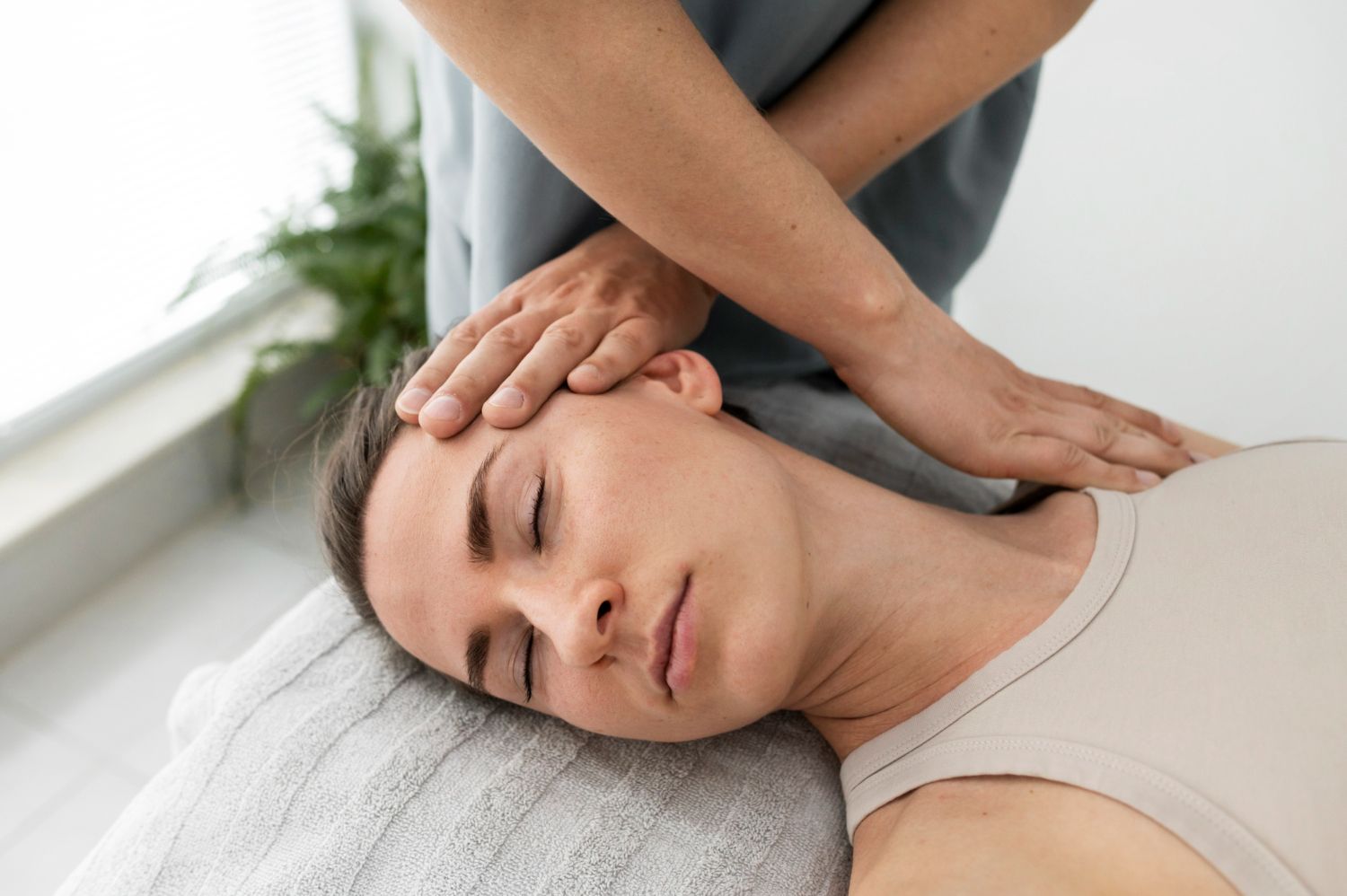
A less-common but proven-effective therapy for migraines is upper cervical chiropractic care. In fact, a study has supported that. A total of 101 migraine patients had an examination, and researchers found a misalignment in their neck (upper cervical spine). They also learned that most of the patients had a history of head and neck injury before the onset of their migraines.
All patients received an upper cervical adjustment, and 85 of them reported the elimination of their migraines within 1 to 8 months of care. The rest of the patients experienced dramatic improvements in the frequency and severity of their migraines.
Here at Kilian Chiropractic in Aldergrove, British Colombia, our technique is similar to what researchers used in the study mentioned above. Our technique also yields the same positive results. Upper cervical chiropractic is a gentle method that encourages the bones to move back to their original position naturally. As a result, adjustments are longer-lasting. If you’re looking for the
nearest
migraine chiropractor
in Aldergrove, BC
, I would love to see what I can do for you. Call
(604) 856-7781
or visit our
website
at your convenience to make an appointment.
The post Migraine Relief to Try When All Else Fails appeared first on Kilian Upper Cervical Chiropractor.
Share This Blog