Tips for Relieving Pain Caused by Herniated Discs
Kilian Chiropractic • September 7, 2022
Tips for Relieving Pain Caused by Herniated Discs
A herniated disc can cause significant pain and discomfort. Chances are, if you’ve suffered from this type of injury, you’ve gone to great lengths to find out how to alleviate that pain and prevent yourself from going through that in the future.
In this article, we’ve compiled tips for treating a herniated disc so that you don’t have to scour the internet any longer. These methods are suggestions, but at the end of the day, you may need to seek professional help depending on the extent of the injury.
What is a Herniated Disc?
You may wonder, specifically, “what is a herniated disc?”. A disc sits between your spinal vertebrae, cushioning them so that your bones don’t grind together and cause you pain. When the nucleus (jelly substance and center of the cell) begins to excrete from the tough exterior due to a tear this is referred to as a ‘herniated disc’.
While some people don’t experience any symptoms, a herniated disc can cause pain, numbness, or weakness in an arm or leg.
Risk factors for a herniated disc include:
- Weight
- Occupation (physically demanding jobs increase the risk of back injuries)
- Genetics
- Smoking
- Living a sedentary lifestyle
Relieve Inflammation
If you’re experiencing mild pain associated with a herniated disc, then try to relieve inflammation. Your first instinct may be to reach for the heating pad, but this could worsen the situation. Heat causes blood vessels to open up to allow more blood flow to the area, which generally increases inflammation.
Instead, go for an ice pack. Ice the area for 10-15 minutes every 2-3 hours. Make sure you wrap it up in a cloth or towel, as well, to create a barrier between the ice and your skin.
Careful Movements
If you have a herniated disc, move carefully, particularly when it’s flaring up. Try not to make quick twisting or jerking movements and be careful when picking up objects. Make sure you maintain proper posture, whether sitting, standing, or walking.
Exercise
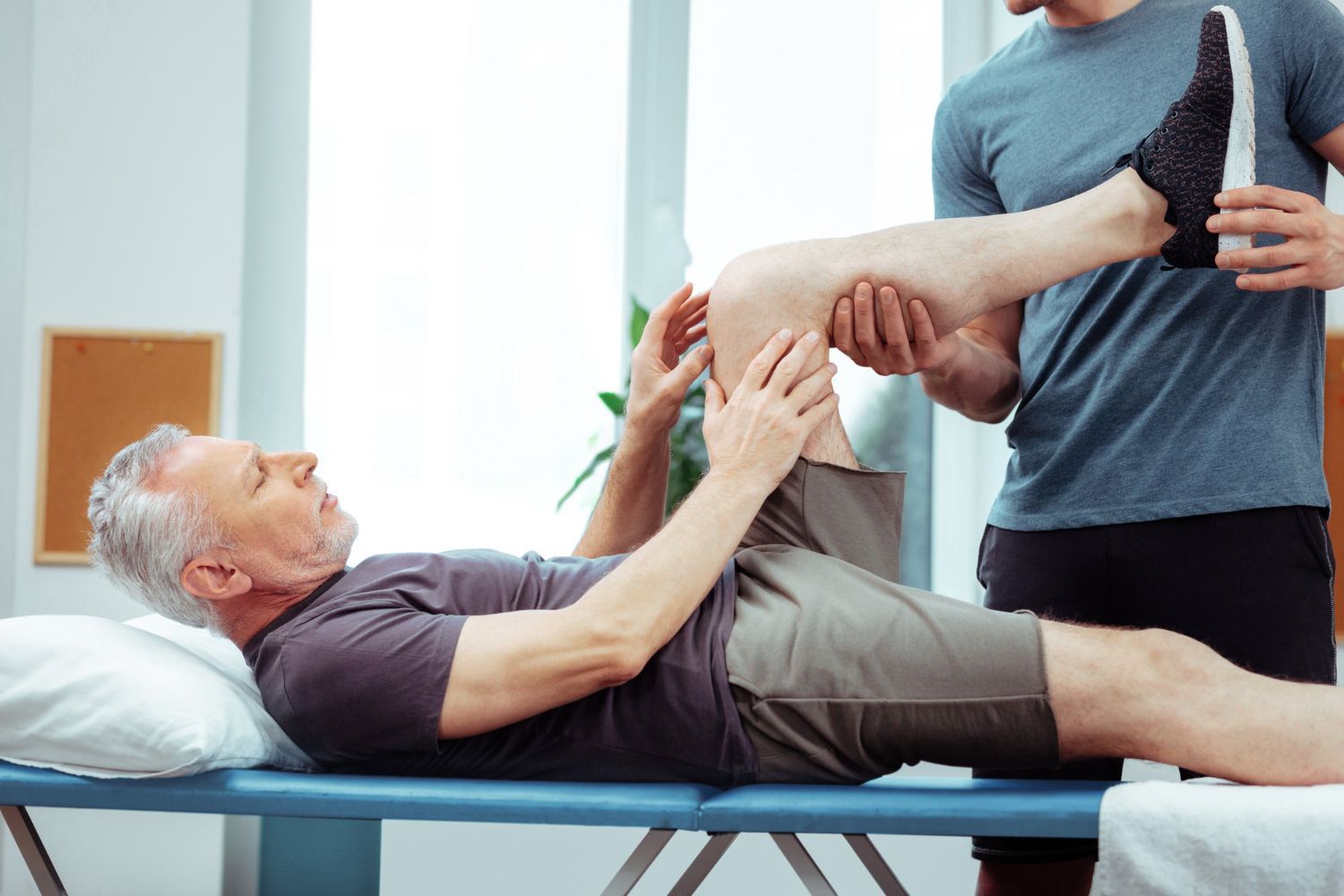
Exercise is a great preventative measure - regular exercise can help strengthen the muscles around your spine and in your back to help prevent future back injuries. However, if you’re already dealing with a herniated disc, gentle exercise and stretches can help relieve the pain you’re experiencing.
If you have pain associated with a herniated disc, be sure to consult a doctor, physical therapist, or
chiropractor
, first — the last thing you want to do is make the pain worse because you’ve overworked the area!
Medication
Over-the-counter medication (or prescribed painkillers) can help manage pain associated with a herniated disc. Start with an anti-inflammatory to try and help reduce the swelling and inflammation in your back, but if the pain is significant your doctor may prescribe something stronger.
Surgery
In severe cases, surgery may be an option. Herniated disc surgeries are minimally invasive and often proven to be very successful in helping alleviate pain and associated symptoms. However, the recovery process can be very long, making this an option in only extreme cases.
Post-op physical therapy will be required to help restore and rehabilitate joint function in your back and spine (and prevent future herniated discs from occurring).
Seek Help From a Chiropractor
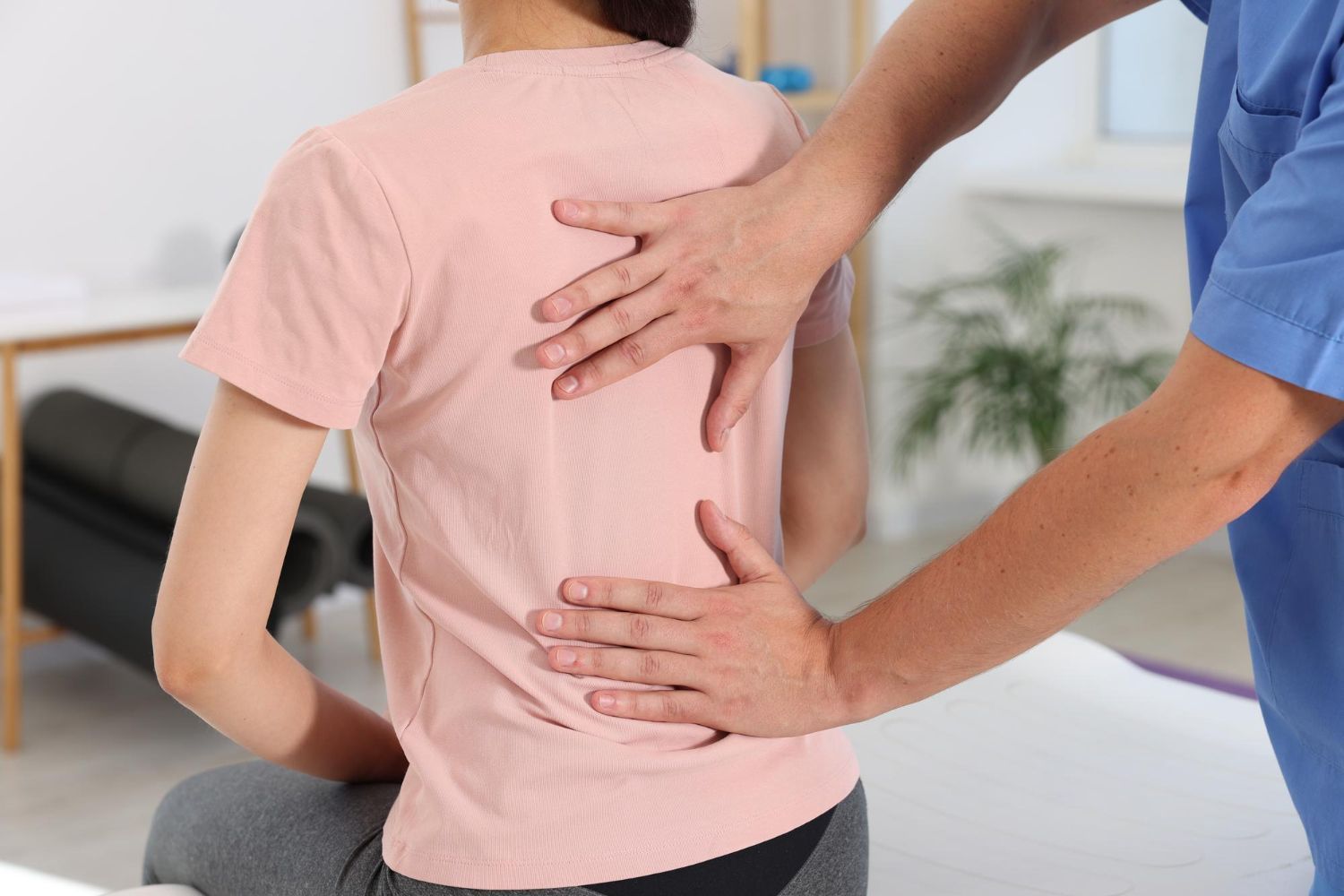
Another natural option to try and relieve pain from a herniated disc is seeking chiropractic care. In most cases a herniated disc can be rehabilitated through natural means. A chiropractor can carefully adjust the curvature of your back and may be able to realign the spine to prevent future injuries.
At Kilian Chiropractic, we understand how painful it is to experience a herniated disc. If you’re seeking a natural option when ice, exercise, and medication just aren’t working, visit Kilian Chiropractic today.
You can contact us today to learn more about how we can help by calling us at
(604)688-0724
Or
book an appointment online
.
Share This Blog